ARRICE training equips teachers with hands-on tools to help learners and communities understand and respond to climate change
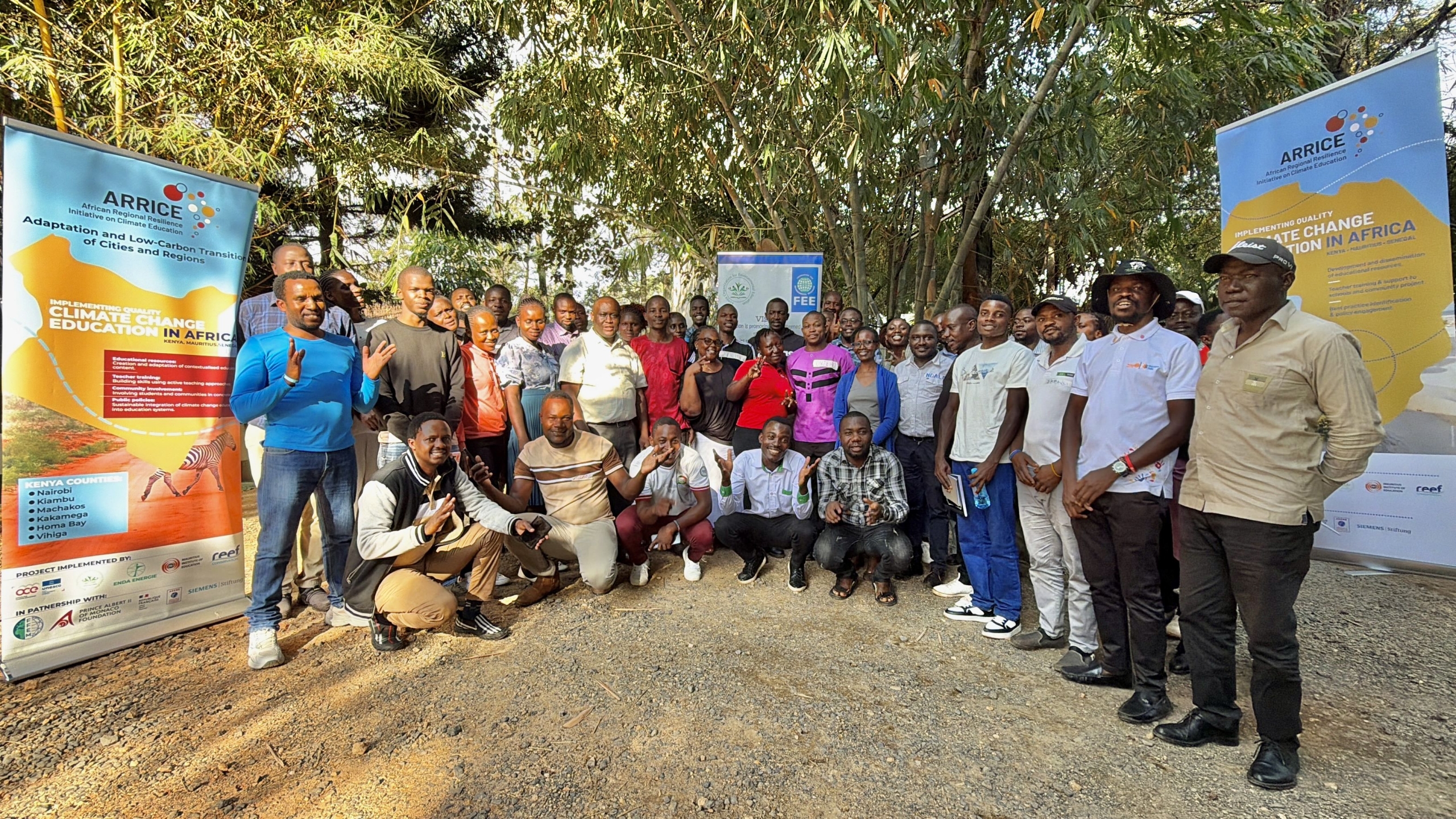
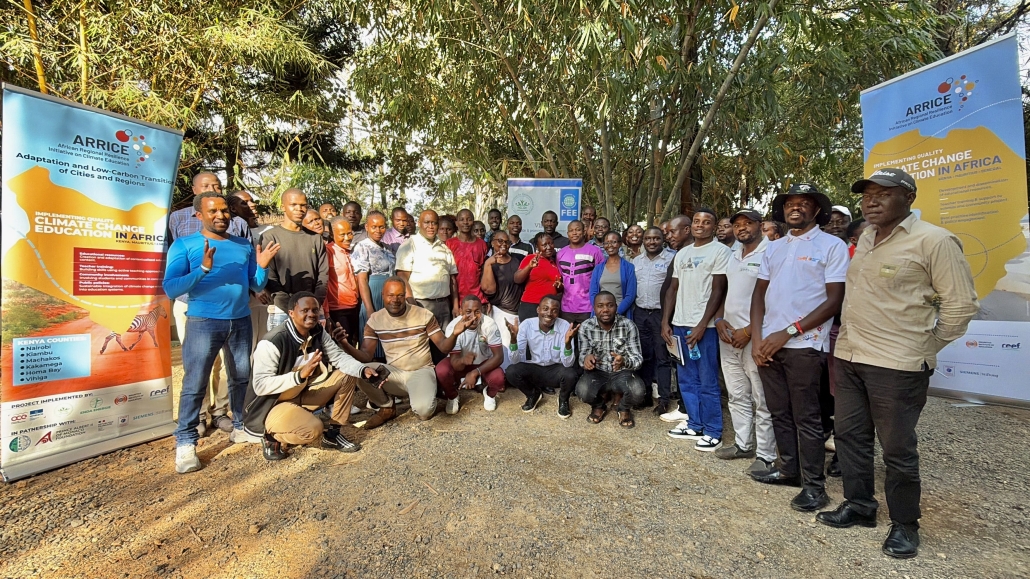
Participants and trainers mark the conclusion of the three-day ARRICE Vihiga training held from 28–30 July 2026
Climate change can sometimes feel like a distant global challenge. But in Vihiga, its impacts are increasingly visible—in changing rainfall patterns, rising temperatures, flooding, unreliable harvests, drying rivers and changing biodiversity.
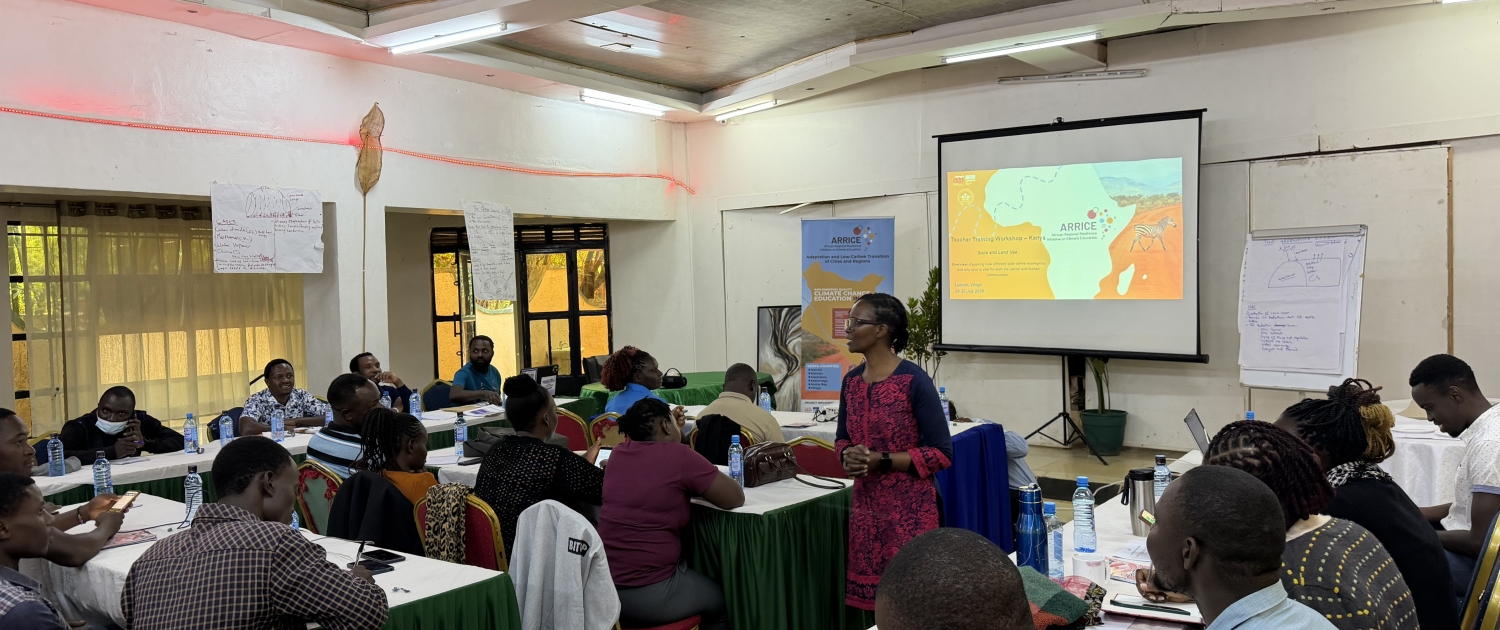
For 32 teachers from schools across Vihiga County, these realities became the starting point for three days of practical learning during the ARRICE Vihiga Training, held from 28–30 July 2026 at Roddys Hotel in Luanda.
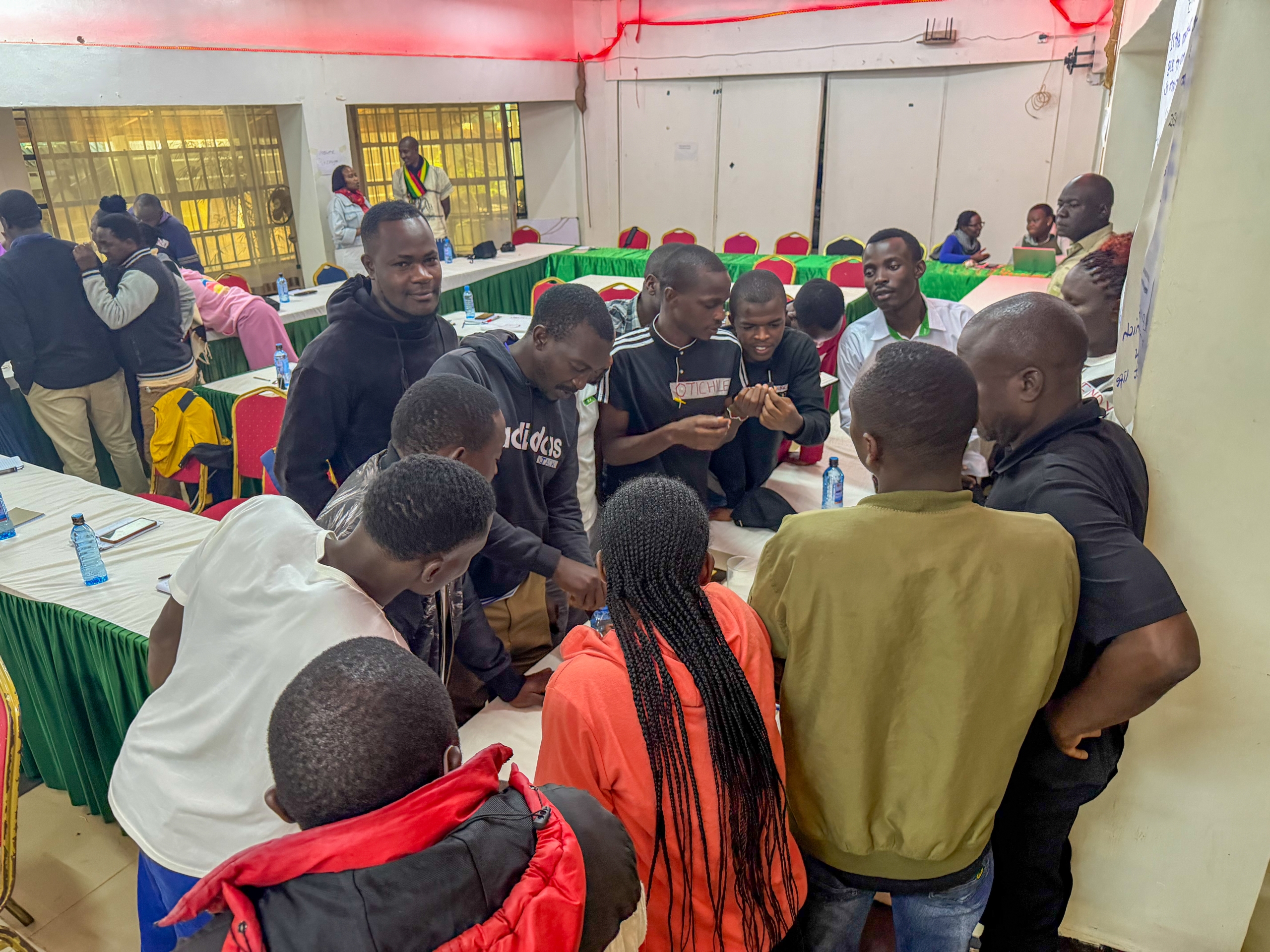
Rather than focusing only on theory, the training challenged teachers to explore climate change through experiments, role play, group discussions, local observations and practical classroom activities.
“Climate education becomes powerful when teachers can connect science to what learners and communities see around them.”
Making climate change relevant to Vihiga
The training began by helping teachers distinguish between weather and climate before asking a more local question: What evidence of climate change are we seeing in Vihiga?
Teachers identified changing rainfall patterns, higher temperatures, flooding, unreliable rainfall affecting agriculture, emerging pests and diseases, and changes in the movement and visibility of birds and other animals.
These discussions helped transform climate change from an abstract scientific concept into something connected to food, water, farming, livelihoods and biodiversity.
Learning through action
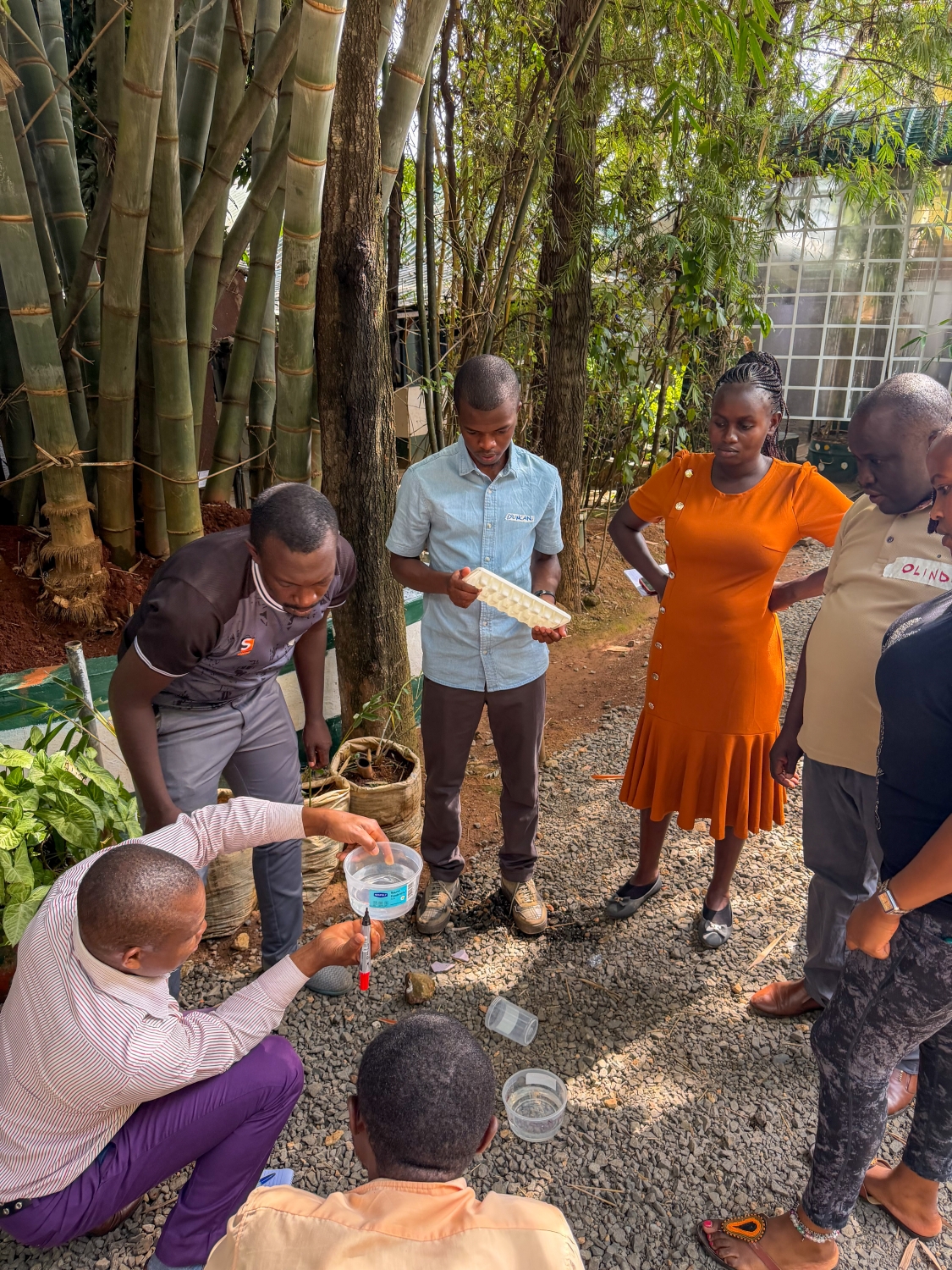
Learning through experimentation Teachers explore climate science through practical experiments designed to make complex concepts accessible to learners
A major strength of the training was its emphasis on learning by doing.
Teachers participated in a role-playing activity exploring the greenhouse effect and carried out practical activities on soil conservation and erosion. They also discussed how healthy soils contribute to climate regulation and how practices such as overgrazing, nutrient depletion and excessive reliance on artificial fertilizers can affect soil health.
On the third day, teachers conducted a thermal expansion experiment and explored the impacts of sea-level rise, ocean acidification and changes in the cryosphere.
One particularly accessible activity used water, vinegar and shells to demonstrate how increasing acidity can affect organisms that depend on calcium carbonate to build shells and skeletons.
“Simple experiments can turn complex climate science into something learners can see, test, discuss and understand.”
Connecting global science with local knowledge
The teachers also explored the relationship between environmental change and local ecosystems.
Discussions around Maragoli Hill, river catchment areas, tree species, soil conservation and indigenous knowledge demonstrated the importance of connecting scientific learning with local experience. Participants reflected on how changes in forests and catchments can influence water availability and rainfall, while also considering the value of indigenous and fruit trees.
This approach gives teachers an opportunity to help learners become observers and problem-solvers within their own communities.
Teachers as climate-action multipliers
The greatest potential impact of the training extends beyond the three-day event.
Teachers now have practical activities and approaches that can be adapted for classroom learning and used to encourage learners to investigate environmental changes in their own surroundings.
A lesson about soil can lead to a school conservation project. A discussion about changing rainfall can lead to investigation of local farming practices. A conversation about trees can inspire learners to take action within their schools and homes.
In this way, teachers become multipliers of climate knowledge and action—connecting classrooms, families and communities.
“The journey from climate knowledge to climate action can begin with something as simple as a local observation, a classroom experiment or a conversation.”
Working together to understand climate change Participants discuss evidence of climate change and its impacts on Vihiga’s environment, agriculture and communities
From learning to community action
The ARRICE Vihiga training demonstrated that effective climate education does not always require sophisticated equipment.
It can begin with the resources already available: soil, water, leaves, shells, photographs, local stories and community knowledge.
By strengthening teachers’ practical skills, the training supports a form of climate education that is participatory, locally relevant and connected to everyday life.
As the training concluded, teachers shared their reflections and feedback before closing with a group photograph.
The training may have ended—but the learning now has an opportunity to travel.
From teachers to learners. From learners to families. From classrooms to communities. From climate knowledge to climate action.
KEY TAKEAWAYS
🌱 Teachers gained practical climate-learning skills
Through experiments, role play, group work and locally relevant activities.
🌍 Climate change was connected to local realities
Including rainfall, temperatures, agriculture, water, soil and biodiversity in Vihiga.
🔬 Science became hands-on
Teachers explored concepts such as the greenhouse effect, soil conservation, thermal expansion, ocean acidification and albedo through practical activities.
🏫 Learning can extend beyond the classroom
Teachers can use climate activities to engage learners, families and communities in understanding environmental change.
🤝 Local knowledge matters
The training created space to connect scientific understanding with indigenous knowledge and community experience.
Leave a Reply
Want to join the discussion?Feel free to contribute!