When climate change education steps out of dense textbooks and into hands-on field experiments, magic happens in the classroom.
Picture this: a room full of energetic educators using red cabbage juice and hibiscus tea to simulate ocean acidification, or role-playing atmospheric greenhouse gases trapping solar heat in real time. This wasn’t standard teacher training—it was a high-energy transformation in Machakos County!
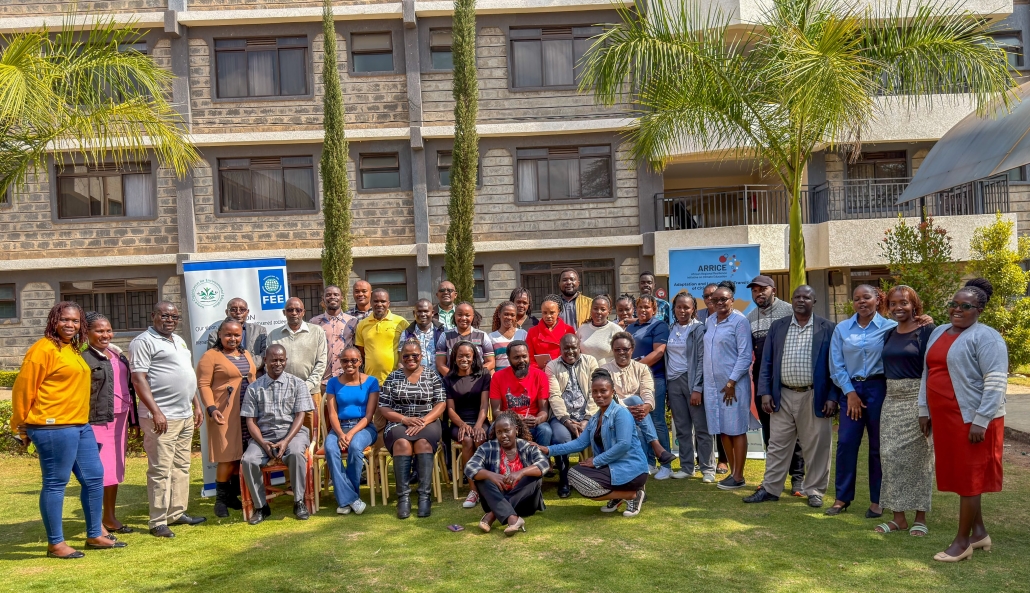
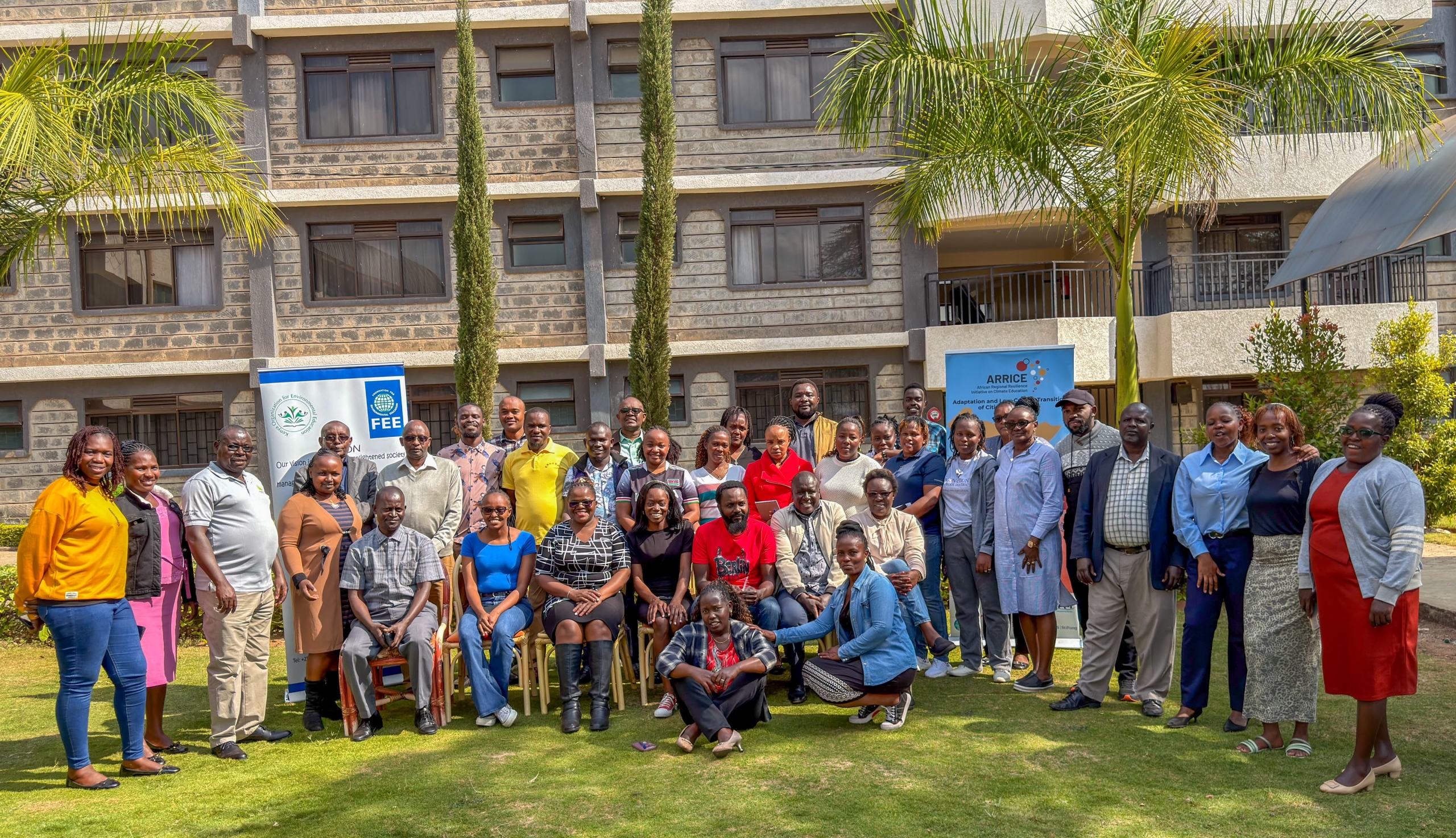
From August 19th to 21st, 2026, 37 resilient educators representing 10 pilot schools gathered at the Lysak Haven Park Hotel for the ARRICE (African Regional Resilience Initiative on Climate Education) training. Organized by the Kenya Organization for Environmental Education (KOEE), this 3-day workshop proved that practical, localized science is the ultimate key to climate resilience.
Demystifying Big Science: 3 Days of Action-Packed Learning 🧪🔥
Before the workshop, nearly 80% of participating teachers had never received formal training in Climate Change Education (CCE). Abstract climate concepts felt intimidating to teach[cite: 1]. The ARRICE team turned the script around with interactive, low-cost experiments:
-
☀️ Day 1: Unpacking Local Realities & The Greenhouse “Roof”
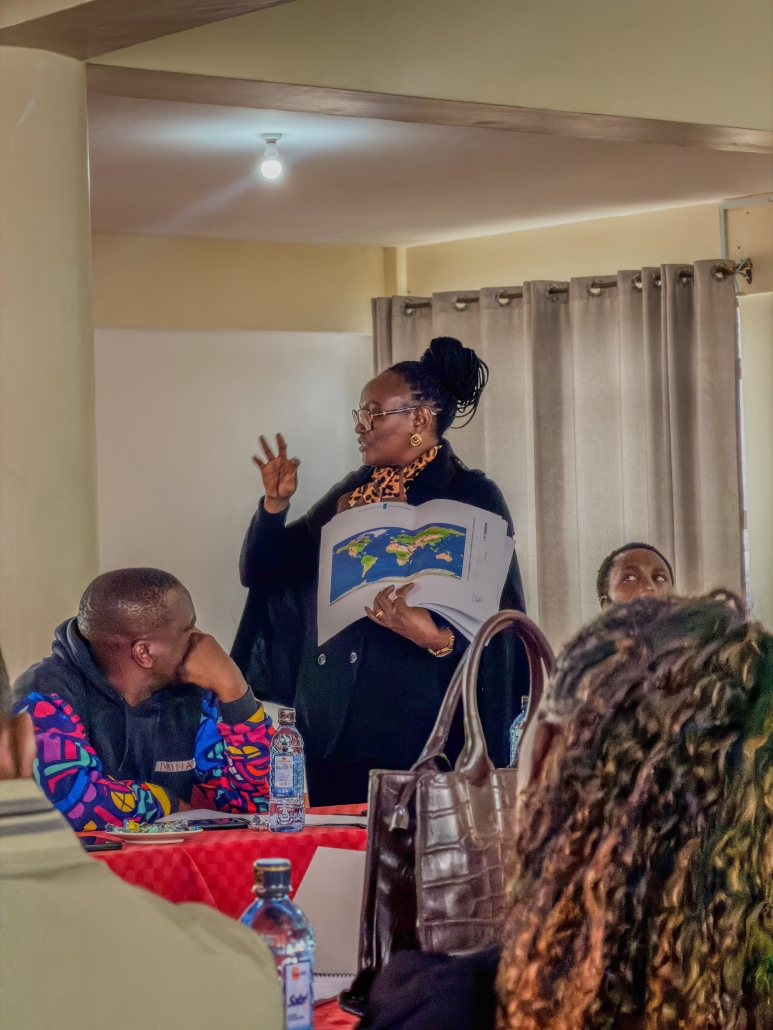
Teachers mapped local weather changes in Machakos—discussing flash floods, shifting rain cycles, and rising heat. Using physical analogies, facilitators demonstrated how greenhouse gases create a heat-trapping atmospheric “roof”.
-
🌱 Day 2: Soil Erosion & Cryosphere Field Games
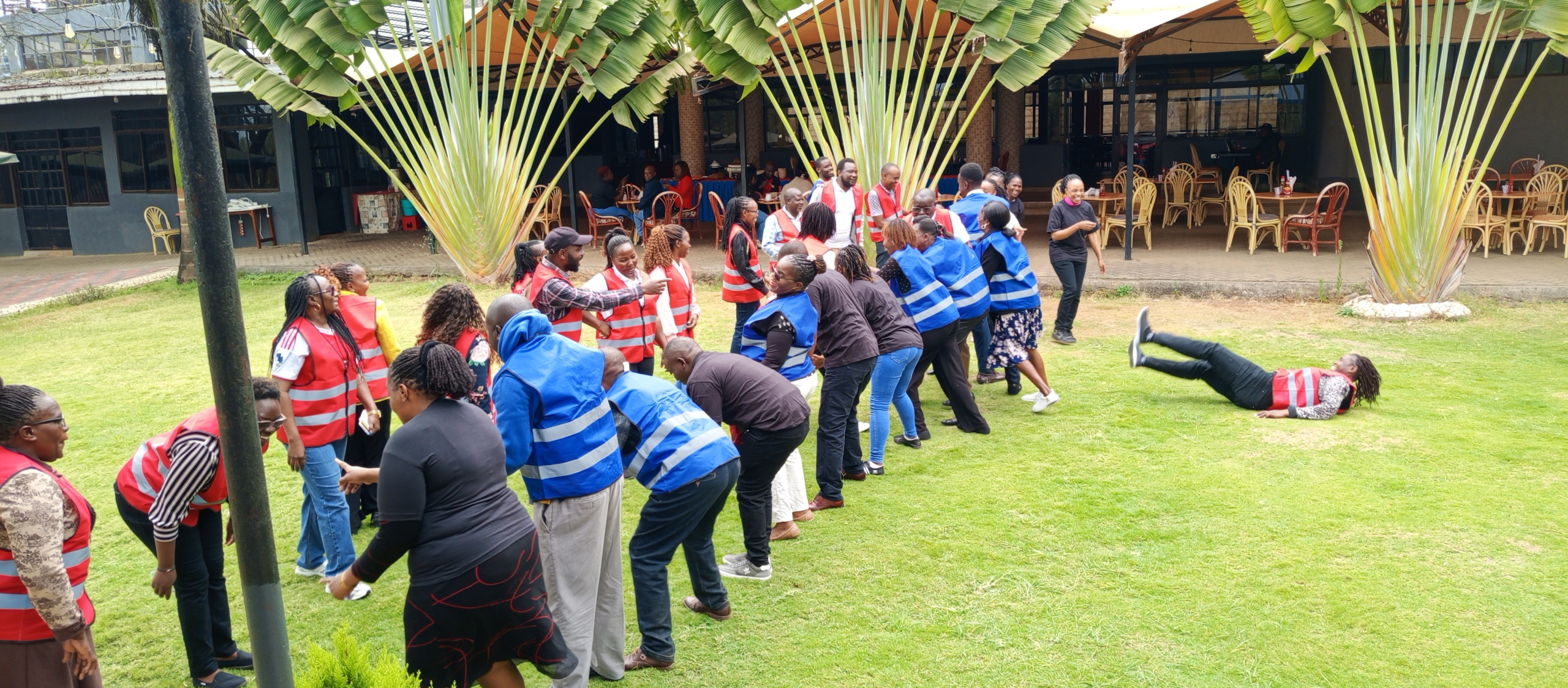
Inspired by youth re-afforestation documentaries, teachers carried out soil erosion experiments to explore how protecting local catchments like the Iveti Hills and River Athi safeguards community water. A dynamic field game brought the greenhouse effect to life, while ice experiments clarified why continental melting—not sea ice—drives global sea level rise.
-
🌊 Day 3: Kitchen-Table Ocean Chemistry & Reflective Ice
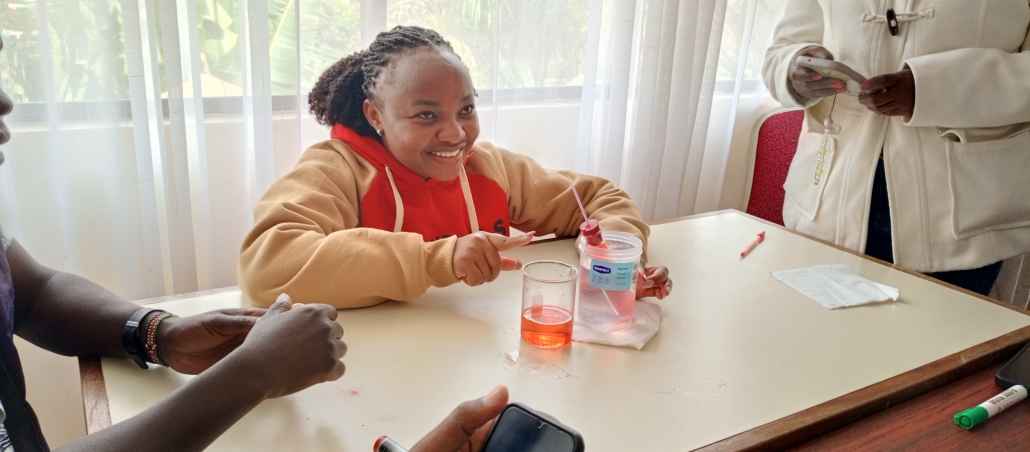
Using vinegar and natural pH indicators (like red cabbage juice and hibiscus), teachers visualized ocean acidification[cite: 1]. Water expansion experiments illustrated coastal risks, while the “Albedo Effect” lesson showed how Earth’s white ice acts as a giant protective mirror.
The Numbers Speak: Confidence Skyrockets! 📈
The transformation was fast and measurable:
-
🌊 +2.2 point leap in understanding ocean-climate interactions.
-
🔬 +2.2 point boost in confidence for conducting classroom experiments.
-
🤝 +2.2 point gain in addressing climate justice and eco-emotions.
-
⚡ 90.9% of teachers committed to putting these methods into action in their classrooms immediately.
-
📣 100% expressed intent to train their fellow teaching peers!
What’s Next? Seeds of Action in Machakos 🌱🏫
Teachers aren’t stopping at theory. Armed with new pedagogical tools, they are rolling out:
-
School Tree Nurseries to re-green local compounds
-
Student-led Soil & Waste Conservation Initiatives
-
Low-cost Science Toolkits utilizing upcycled plastic bottles and everyday materials
By empowering educators with creative, accessible science, ARRICE is nurturing a generation of passionate, climate-resilient leaders across Africa!
The ARRICE project is implemented by KOEE, Office for Climate Education (OCE-UNESCO), ENDA Energie, Mauritius Institute of Education, and Reef Conservation, in partnership with Prince Albert II of Monaco Foundation, ADEME, République Française, and Siemens Stiftung.
Leave a Reply
Want to join the discussion?Feel free to contribute!