Climate change isn’t just a page in a textbook—it’s changing our local weather, our soil, and our lakes right here in Kenya.
To bring real, hands-on environmental education to students, educators recently gathered at the Tourist Hotel in Mbita, Homa Bay for a high-energy, 3-day workshop hosted by the African Regional Resilience Initiative on Climate Education (ARRICE).
Here is a quick look at how teachers got their hands dirty to bring climate science to life!
☀️ Day 1: Unpacking Weather vs. Climate
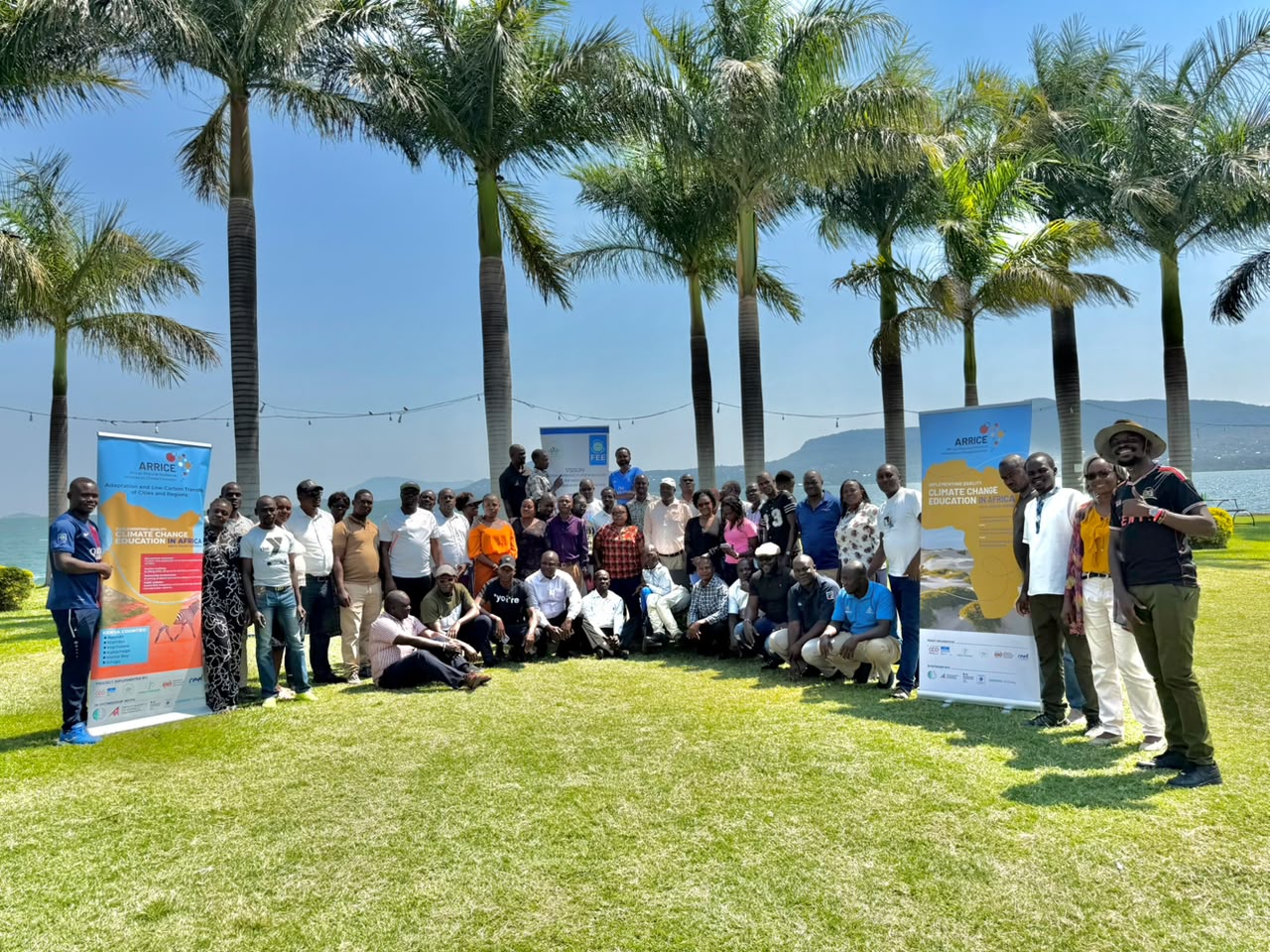
The initiative kicked off with opening remarks from David Wandabi, introducing the participating schools across Kenya.
-
The Basics: Participants broke down how daily weather differs from 30-year climate trends, examining local microclimates around Homa Bay.
-
Real Evidence: Trainers highlighted local indicators like shifting crop yields and the need for fast-maturing crops alongside global environmental signals.
-
Classroom Science: Using simple tools like thermometers, plasticine, and beakers, teachers created mini-greenhouses to model heat trapping in our atmosphere.
🌊 Day 2: Role-Play, Melting Ice & Thermal Expansion
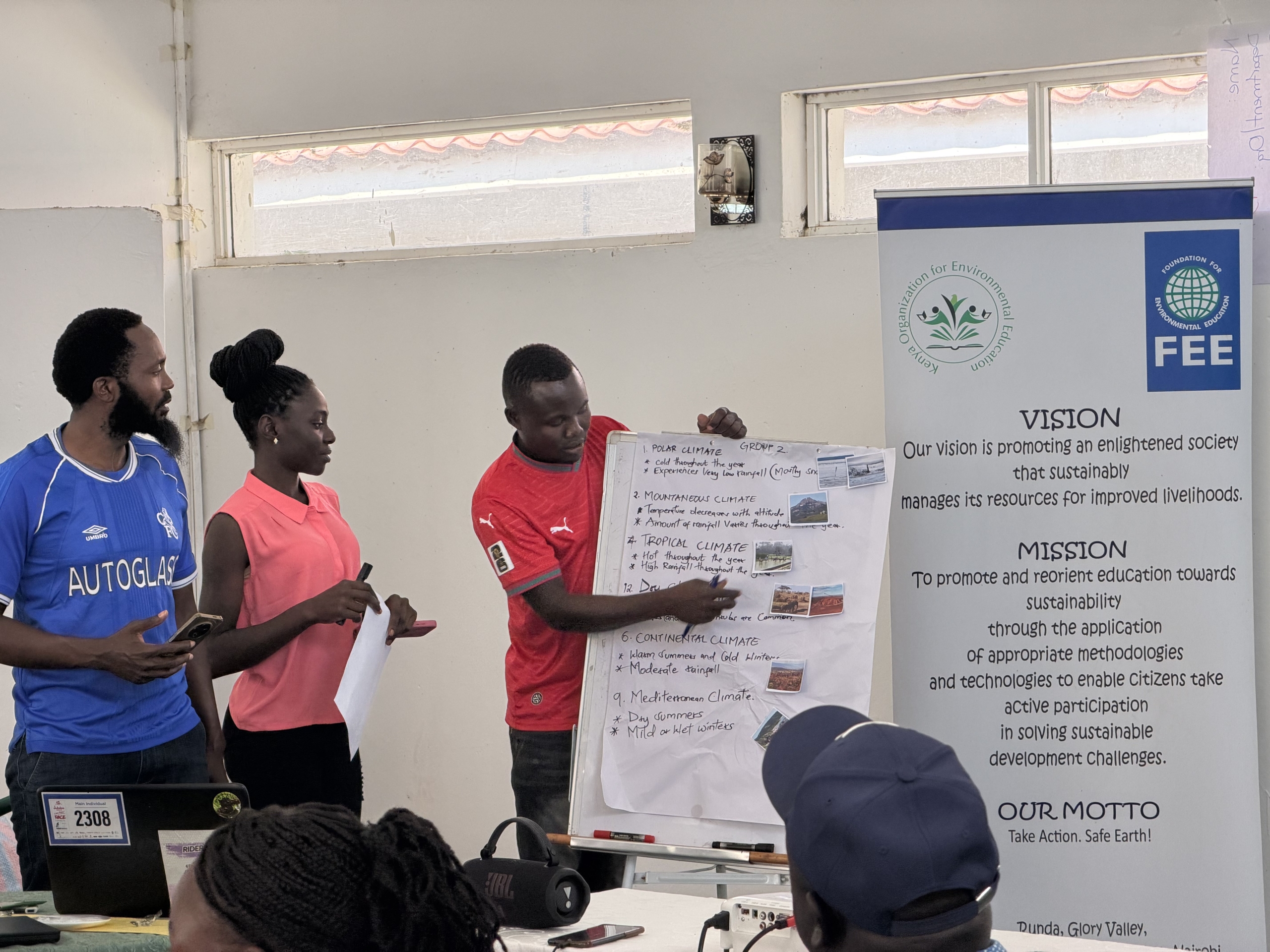
Day 2 brought high energy and interactive games!
-
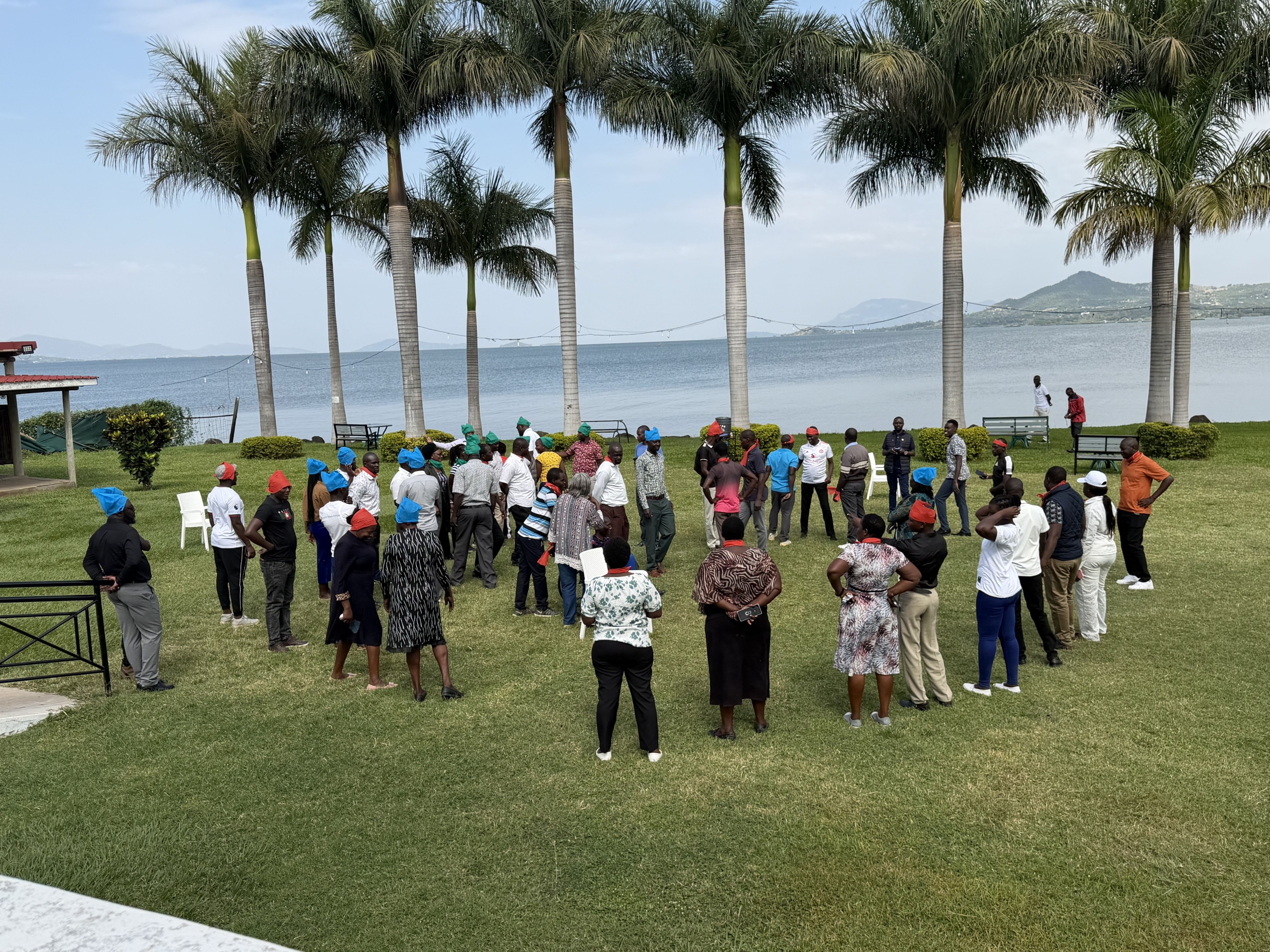
Human Greenhouse Effect: Teachers put on colored vests to role-play how human activities trap solar radiation.
-
The Ice Experiment: By comparing floating sea ice with continental ice on rocks, teachers proved why land-based ice melt causes sea levels to rise.
-
Connecting to Lake Victoria: Discussions brought global science home, exploring how rising waters impact local communities, submerging offices, and carrying away gardens on Mfangano Island
🌱 Day 3: Soil Sinks, Ocean Acidification & The Albedo Effect
The final day tackled terrestrial solutions and marine health.
-
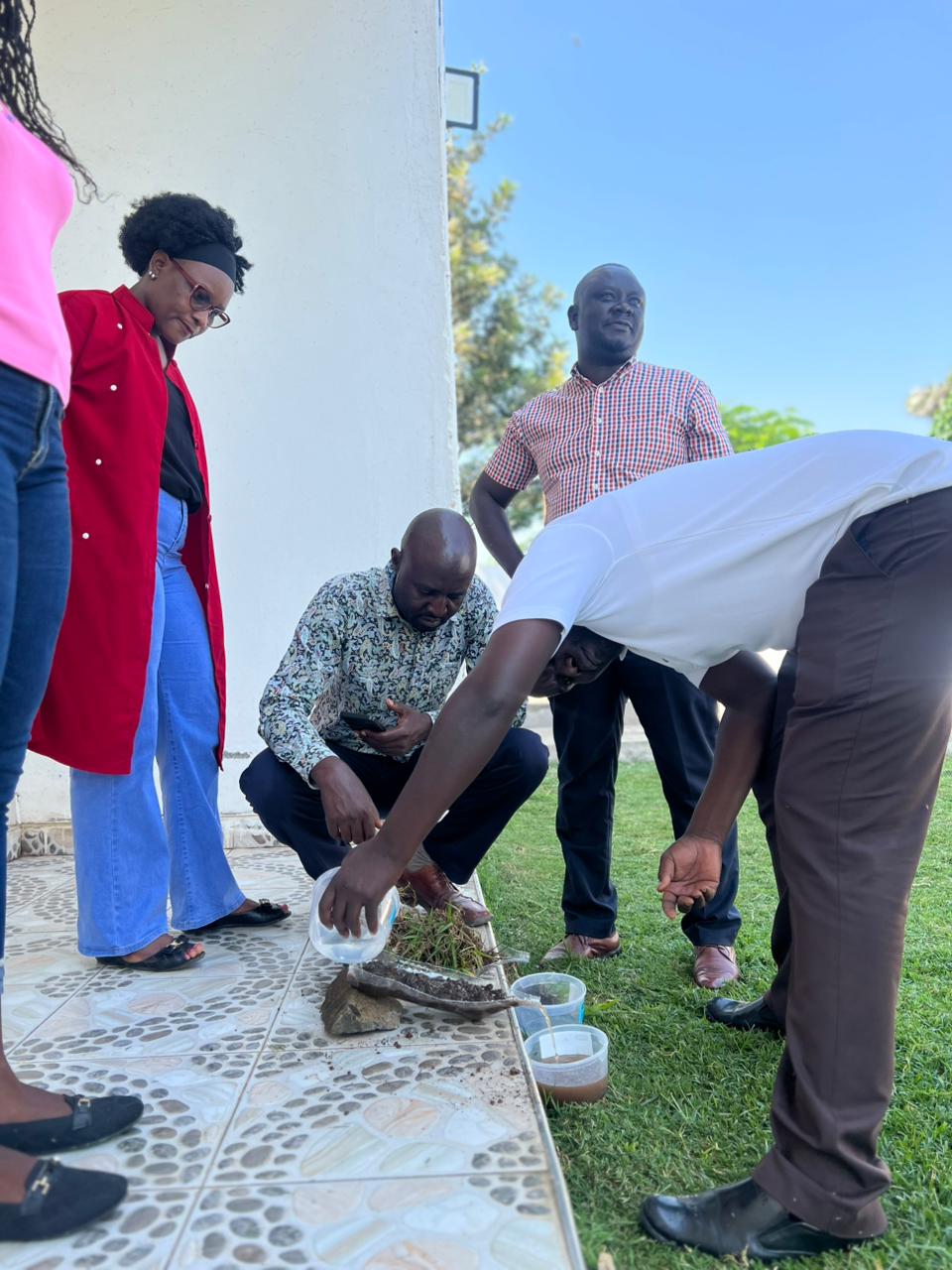
Soil & Traditional Wisdom: Educators explored how healthy soils store carbon. They linked sustainable techniques like agroforestry and crop rotation with indigenous practices, such as preserving sacred tree groves.
-
The Albedo Effect: Through simple light-and-dark surface experiments, teachers demonstrated how melting white ice exposes dark surfaces, accelerating local warming.
-
Ocean Acidification: By blowing CO2 into water containers with seashells, participants saw firsthand how rising carbon levels dissolve marine shells and corals.
What’s Next? 🚀
From soil erosion models to interactive quizzes, educators left Mbita equipped with practical, interdisciplinary tools to inspire their students. Up next: follow-up school visits to see these dynamic lessons in action!
Take Action. Safe Earth! 💚
Leave a Reply
Want to join the discussion?Feel free to contribute!